Testimony to Begin Monday in Gosnell Murder Trial

The jury has been selected and testimony is scheduled to begin Monday in the murder trial of West Philadelphia abortionist Kermit Gosnell, according to the Philadelphia Inquirer.

Gosnell is charged with more than 30 criminal counts including the murder of seven newborn infants and a female patient.

Learn more about what investigators found inside Gosnell’s West Philadelphia abortion center by watching this short documentary:

http://www.youtube.com/watch?v=J7YmrsY4KSY&feature=player_embedded

Please share this telling film with your family and friends.

Gosnell’s Abortion Practices: How Uncommon Are They?

Kermit Gosnell’s horrific abortion practices shocked the world in 2011 when authorities unveiled the tragedies that took place inside the West Philadelphia Women’s Medical Society.

Pro-abortion advocates and abortion facilities were quick to distance Gosnellthemselves from Gosnell. They claimed his murderous and abusive practices are the exception, not the norm.

But are they really? Here are just a few examples (we could site more) of similar things happening in the U.S.:

Gosnell allegedly ignored young women who changed their minds and no longer wanted abortions. He injured countless women in botched abortions.

In a Colorado lawsuit filed last month, a woman alleges that a Planned Parenthood forced her to have an abortion after she changed her mind. What’s more, the abortionist botched the procedure and sent her home. Several days later, the woman had to have emergency surgery.

Gosnell operated a squalid abortion facility with the blood-stained furniture and medical waste.

A Michigan abortion facility was recently closed down for similar violations: blood-stained walls, unsterilized equipment, and used medical supplies like syringes left in the open.

Gosnell discriminated against minorities, reserving a separate, less squalid room for white women.

Last summer, abortionist Ron Virmani was videotaped saying that “ugly black babies” should be aborted to save tax money and prevent gun violence.

And a Life Dynamics report finds that the abortion industry targets blacks and Latinos by placing abortion facilities in communities with the highest minority populations.

As a result of these heinous practices, states are passing laws to hold abortion facilities accountable for women’s health and safety. In Pennsylvania, abortion centers now must be regularly inspected and must meet the same requirements as other outpatient surgical facilities.

Unfortunately, the most common tragedy of all in Gosnell’s abortion practice gets the least attention.

Gosnell’s practices show a complete disregard for human life. He delivered babies alive and then snipped their spinal cords with scissors. He cared nothing for his patients, allowing untrained and unlicensed medical staff to give anesthesia and use unsterilized equipment. These practices resulted in Gosnell being charged with murdering a woman and seven newborn babies.

Though some abortion centers may hold themselves to higher health and safety standards, they share Gosnell’s disregard for human life in the womb. It doesn’t matter how clean or law-abiding these abortion centers are they still are destroying unique preborn human lives.

In the midst of the Gosnell scandal, let’s not forget about the thousands of preborn babies who are legally killed every day in abortions.

Help us work to protect life from the moment of conception to natural death. Click here to learn how you can get involved in protecting women and preborn babies from the tragedy of abortion.

The Named and Nameless Victims of Gosnell’s ‘House of Horrors’ Abortion Mill

By Maria Gallagher, Legislative Director

Editor’s note: This editorial also appears on Pennlive.com, the website of The (Harrisburg) Patriot-News. To show support for Gosnell’s victims, born and unborn, consider posting a comment below the article by clicking here.

His alleged crimes went undetected for years. He was the go-to guy in the neighborhood for Oxycotin and other addictive drugs—an illegal business which investigators say brought in hundreds of thousands of dollars a year.

And he was also known as the doc to go to for extremely late, late-term abortions (more than 24 weeks’ gestation). At times, those “late-term abortions” turned into the killing of live infants, according to a grand jury report that reads like the script from a horror movie.

When live babies were delivered, he allegedly stuck scissors in the back of the babies’ necks and severed the spinal cords, killing them. The grand jury estimates that Gosnell engaged in hundreds of such killings, but charges could be brought in only a handful of cases, because he conveniently destroyed files to cover his tracks. The suspect, who, if convicted, might be described as the John Wayne Gacy of West Philadelphia, cleverly hid evidence—but not all of it.

Forgive the graphic nature of the following description, but it must be included to show the depravity behind Gosnell’s abortion center walls: A search team found the parts of dead babies nearly everywhere—in the refrigerator, in the freezer, and in containers which would ordinarily carry milk, orange juice, even cat food.

And then there were the jars of severed baby feet.

Add to this horror the maiming of grown female patients. The grand jury described him as a “butcher of women.” As members of the grand jury declared in their chilling report, “Dr. Gosnell didn’t just kill babies. He was also a deadly threat to mothers.”

During a debate at a college campus, a representative from Planned Parenthood suggested that I would not know the name of the female patient Gosnell was charged with killing—the supposition being that pro-lifers do not really care about women. Without hesitation, I answered, “Karnamaya Mongar.”

She was a 41-year-old refugee from Nepal, according to the grand jury report. After a few hours in this house of horrors, she stopped breathing. Gosnell could not revive her because his defibrillator was broken. When the paramedics finally arrived, the hallways were so cluttered that it took them 20 minutes to get the patient out of the building.

She died.

How many other women died as a result of Gosnell’s lethal form of medicine, we’ll never know.

Gosnell’s case is finally working its way through the Philadelphia justice system, and Pennsylvania now has a law, Act 122, to ensure that abortion facilities follow the safety standards of outpatient surgery centers. But it is too late for the many women who say they suffered as a result of Gosnell’s brutal practice.

And what of those babies who were routinely killed at the Women’s Medical Society?

No one knows their names.

‘House of Horrors’ Abortionist Will Head to Trial on Monday, March 4, in Philadelphia

Kermit Gosnell is charged with eight murders,
other criminal charges

Harrisburg, PA – Jury selection is scheduled to begin Monday, March 4, for the trial of an infamous Philadelphia abortionist who is charged with eight murders and numerous other criminal charges.

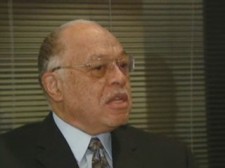
Kermit Gosnell

Kermit Gosnell

In 2011, investigators revealed the horrific practices of Kermit Gosnell and his squalid abortion facility in West Philadelphia. Gosnell allegedly killed one female patient and seven newborn babies in a facility the prosecutor described as a “house of horrors.”

“Gosnell must be held accountable for his blatant disregard for the lives of newborn babies and the health and safety of women,” said Micaiah Bilger, education coordinator at the Pennsylvania Pro-Life Federation, an affiliate of National Right to Life. “Clearly, Gosnell was more concerned about earning millions of dollars than he was about his patients’ welfare.”

Prior to the investigation, Gosnell’s Women’s Medical Society had not been inspected for 17 years. Hair and nail salons in Pennsylvania were held to greater scrutiny than Gosnell’s abortion center.

“Kermit Gosnell’s ‘house of horrors’ served as a wake-up call to Pennsylvania about the disastrous effects of unregulated abortion,” Bilger said. “Fortunately, our governor and legislators took swift action to put safeguards in place for women and preborn babies after the Gosnell discoveries. Now, as a result of a new law, Act 122, abortion centers in our state are being held accountable.”

How Can Churches Promote the Sanctity of Life?

It’s a question that I’ve heard fairly often from pro-lifers.

They are concerned that their church is not doing more to protect life from the moment of conception, and they want to know how to change that.Choose Life!

Some of the best answers that I have heard come from the Rev. Frank Pavone of Priests for Life. He hosted a seminar last summer about how churches in pro-life denominations can be more fruitful.

Let me share with you his three-step advice for churches:

First step – Your denomination may be pro-life, but that doesn’t mean everyone in your congregation is. People tend to have very strong feelings about abortion, and those who think abortion should be legal can be put off by the pro-life message. They may see pro-lifers as extremists who don’t care about women. Our job is to neutralize the hostile opinions by starting friendly conversations about the issue, finding common ground (such as our desire to help women and their families), and helping them to see that there really is some truth to the pro-life argument.

Second step – There may be other people in your church who say that while they would never have an abortion themselves, they don’t believe it’s right to stop someone else from making that decision. Our job is to explain why abortion is wrong not just for us personally but for everyone: because abortion destroys a life.

Third step – The most important step toward protecting the sanctity of life in church is to help stop abortions among believers. Our job is to offer compassion, support, and resources to women facing a crisis pregnancy, as well as to women who have had abortions. From there, we can actively continue to teach about the issue, maybe by doing a Bible study on the topic or examining the denomination’s pro-life statement. We also can encourage prayer for women considering abortion, their babies, the fathers, pregnancy counselors, lawmakers, and ministers.

Finally, the Pennsylvania Pro-Life Federation has developed some practical suggestions for churches that want to become more actively involved. Click here for the list.

A side note: The protection of every human’s right to life is a compassionate cause that attracts many religious people. However, it is not simply a religious viewpoint. The right to life from the moment of conception is a truth supported by both science and logic. Read more here.

Abortion Deaths of Mom, Baby Draw Attention to Aborting Babies with Disabilities

The tragic abortion death of Jennifer Morbelli and her 8-month-old baby girl has brought new attention to the issue of aborting babies with disabilities.

According to reports, Morbelli and her husband were looking life-potentialforward to the birth of their baby girl. Then, doctors discovered problems with the baby’s brain. The couple decided to have a late-term abortion. Sadly, both mother and child died as a result of the procedure.

While we don’t know the details about the Morbelli family’s situation, we do know that many families feel pressured into having abortions when their baby has a disability.

Peter Saunders, a pro-life doctor from the UK, relates the concerns he heard from families and advocates during a government inquiry about abortion and people with disabilities:

“First, there seemed to be very little support or information available for families who wanted to keep their babies, as opposed to having them aborted.

“Second, there was a strong presumption from doctors that parents with disabled children would choose to have them aborted.

“Third, there was a huge amount of subtle or direct pressure placed on parents who decided not to abort. They were repeatedly asked to reconsider their decisions and treated like pariahs – in short they were discriminated against.”

Fortunately, many parents are now sharing their stories about raising a child with a disability and encouraging others to do the same. Check out some of their stories:

  • Doctors said Riley had no chance of survival and urged his parents to abort him. They refused. Riley was born with several serious medical issues, but he fought for his life. Read the rest of his incredible story here.
  • Adeline was given a one-in-ten chance of surviving birth after being diagnosed with multiple birth defects. After her parents were pressured by doctors to abort her, they decided to get a second opinion. Find out what happened here.
  • Benedict lived for only 24 hours after he was born. But his mother made the most of the short time she had to spend with him. Read more here.
  • Chloe was born with Down Syndrome in 2003. Today, she and her dad are on a mission to teach the world about the abilities of people with Down Syndrome. Read more here about her incredible life.

These stories remind us of why there is always a reason to choose life!

Kindergarten Teacher Dies after Late-Term Abortion; Abortionist Didn’t Answer Emergency Calls

A kindergarten teacher has died at the hands of a late-term abortionist.Not long ago, Jennifer Morbelli and her husband were making plans to Jennifer Morbelliwelcome their baby girl into the world. They had picked out baby things for her in a registry, and they even had chosen a name – Madison.
But when the couple found out that their baby girl had abnormalities, they decided to abort her. Read more here.

Infamous late-term abortionist LeRoy Carhart performed Jennifer’s abortion earlier this month at a center in Maryland. After the surgery, Jennifer went home and began experiencing intense pain. According to reports, the family tried to call Carhart, but he did not answer. They took her to the emergency room, and she died a few hours later.

Now, a source reveals that Carhart’s abortion center instructs its patients NOT to go to the emergency room. The instructions say that if the woman is having problems, she should call and meet someone at the center.

This case mirrors the tragic death of young Chicago mother Tonya Reeves last summer. In her case, she went to Planned Parenthood for an abortion and started having problems while she was there. The staff waited six hours before taking her to the emergency room. And then they failed to inform the hospital staff about her condition.

It’s also reminiscent of the horror stories that were revealed in Philadelphia two years ago. Abortionist Kermit Gosnell butchered women and newborn infants in his gristly practice. He now awaits trial for the deaths of seven newborns and a woman.

When will these sickening killings end? When will our society wake up and realize how devastating abortion is to preborn babies and their mothers?

40 Days for Life Campaign Starts on Wednesday

Wednesday, February 13, marks the beginning of Lent for Christians. This forty-day period leading up to Easter is set aside for reflection, prayer, and fasting.

Perhaps not coincidentally, the powerful 40 Days for Life campaign 40 days for lifebegins on the same day. The pro-life campaign focuses on prayer and fasting, peaceful vigils, and community outreach to draw attention to the evil of abortion.

These 40-day campaigns have proved to be a powerful witness to the value of life. One community’s vigils inspired Abby Johnson to quit her job at Planned Parenthood. Since then she has become a pro-life household name as she defends the lives of preborn babies, supports their mothers, and offers help to abortion workers who want to quit their jobs.

Because of the campaign, there have been thousands of reports from mothers who chose life for their babies.

To participate in Pennsylvania, click here for a list of participating communities.

Reflecting on the Tragedy of Abortion, Hope for Life during Black History Month

As we celebrate Black History Month this February, I think back to all of the things I learned this year as I began working in the pro-life movement.

So much has disturbed and surprised me about abortion in our country, mother_and_childbut there is little that I find more disturbing than abortion in African American communities.

Take a look with me:

The statistics – The number of abortions that black women have in Pennsylvania is troubling. While about 11 percent of our population is African American, 41 percent of abortions in the Commonwealth are to African Americans.

The targets – A new study shows that abortion centers target minorities. Life Issues Institute analyzed the 2010 Census data, and found “… that Planned Parenthood continues to strategically place the majority of their surgical abortion facilities in locations that target Black Americans for abortion. This analysis shows that 62% of Planned Parenthood abortion facilities are within walking distance (2 miles) of relatively high African American populations.”

The stories – This summer, the news of a tragic abortion death unfolded. A young black mother named Tonya Reaves walked in to a Planned Parenthood to have an abortion. Hours later, both she and her baby were dead. Later investigations revealed that her uterus has been perforated during the abortion; and staff waited several hours before taking her to the hospital. By then, it was too late. Planned Parenthood now faces two lawsuits because of Tonya’s death.

And just recently, two black women shared their abortion experiences in a new film about the Philadelphia abortion mill run by Kermit Gosnell. The first woman changed her mind on the abortion table, but the staff forced her to go through with the abortion. The second woman was lied to about abortion and the health risks. Gosnell left both women damaged mentally and physically. Neither one can have any more children.

The life advocates – These numbers and stories break my heart. So many babies are dying at the hands of the abortionist. So many women are being lied to. Yet, I also found hope in the black community, whose strong pro-life advocates refuse to stop fighting against this injustice.

Dr. Alveda King, the niece of Dr. Martin Luther King Jr., dedicates her life to ending abortion. She visited Central Pa. last fall and joined area black religious leaders in praying for an end to abortion. King had two abortions as a young woman, and now she shares a message of hope and healing with other women who have been damaged by abortions. Read more about her here.

Arlene Campbell bravely speaks about having an abortion in college. The Philadelphia woman almost died after complications resulting from her abortion. She now tells her story with the hope that other women will choose life for their preborn babies. Listen to her story here.

Dr. Mildred Fay Jefferson left an amazing legacy, breaking racial and gender barriers as African American leader. She was the first African American women to graduate from Harvard Medical School. In the 1975, she became the president of the National Right to Life Committee. Her eloquence and passion for the preborn even influenced Ronald Reagan. Watch her story here.

I find new hope in these leaders, hope that one day our society will respect the rights of every human life.

The Pro-life Fight for Women

By Maria Gallagher

The line “War on Women” did not die on Election Night 2012. The pro-abortion lobby carefully coined this phrase in an attempt to neutralize advances made by those who believe that law and public policy should protect an innocent person’s right to life. It’s catchy, alliterative, and denotes violence and death, and so it works well in a soundbite world.

Every time the catch-phrase is uttered—on cable news, radio talk shows, and in the Twitterverse, it should be countered—in an equally soundbite-savvy way. For what the pro-life movement has been engaging in for the past 40 years is a Fight for Women. And many women are leading the charge:

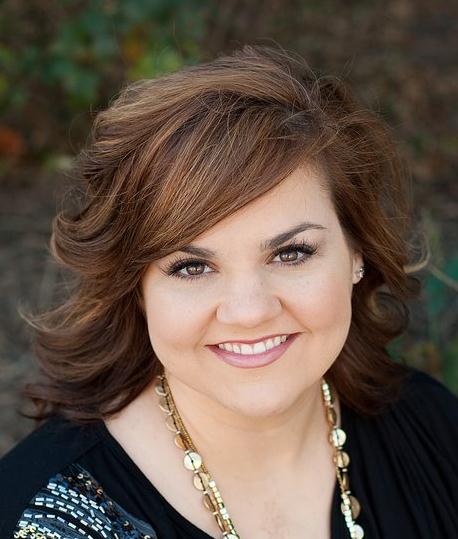
Abby Johnson. This courageous mom once worked for Planned Parenthood, but, Former Planned Parenthood Director Abby Johnsonwhen viewing an ultrasound-guided abortion—and seeing the goodness and kindness of the 40 Days for Life members standing vigil outside the abortion center door—walked bravely to “the other side.” She now assists those who work within the abortion industry to find a safe way out. You can learn more about her And Then There Were None ministry at http://www.attwn.org/ . (And be sure to read her fascinating account of her transition from abortion proponent to pro-life advocate in her ground-breaking book, “Unplanned.” Abby is a passionate leader in the Fight for Women.

Lila Rose. This remarkable twenty-something is lila3tthe founder of Live Action, which uses the tried-and-true tools of investigative journalism to expose the illegal activity and corruption present in the abortion industry. Lila has been especially effective at lifting the veil behind the cover-up of the sexual abuse of minor girls. You can learn more about her at http://www.liveaction.org/lilarose/ . Lila is a fearless truth-seeker in the Fight for Women.

Gianna Jessen and Melissa Ohden. These two articulate young women have put a face on “choice.” Both are survivors of attempts to take their lives through abortion. They have raised their voices for those unborn girls who have none, and their testimony is powerful. Discover their stories at http://www.giannajessen.com/main/octoberbaby.html and http://www.melissaohden.com/ . Gianna and Melissa represent the heart and soul of the Fight for Women.

Kristan Hawkins. She is the Executive Director of Students Kristan_Hawkinsfor Life. She has invigorated pro-life activism on college campuses around the nation, and has helped to show the world that youth have a particular stake in the Fight for Women. The Students for Life success story can be found at www.studentsforlife.org . Kristan is among the leading strategists in the Fight for Women.

This is far from a complete list—but it does spotlight the role that young, vibrant leaders are playing in the Fight for Women. Whenever you hear abortion advocates talking about the War on Women, point to the awe-inspiring Millennials and Gen-Xers at the forefront of the pro-life movement and respond, “No, you must mean the Fight for Women—and we are winning!”