What Major World Religions Say about Abortion

Is abortion a religious issue? Some say yes, others say no.

At the Pennsylvania Pro-Life Federation, we believe abortion is a human rights violation that people of all faiths and no faith can work together to end.Unborn baby picture

Today, I found a helpful outline of world religions and abortion beliefs. It comes from the Society for the Protection of Unborn Children, a British organization. It helped me to understand the foundation of various religious beliefs about abortion, and I hope it will help you, too.

Here are just a few. To view the whole list, click here.

Islam teaches that life begins at conception and is created by God. The unborn child has certain rights such as the right to care, protection and life. Abortion on any grounds is forbidden in the Islamic holy book Al’Quran. “Do not kill or take a human life which God has declared to be sacred.” (Chapter 6,verse 151)

The Torah, or Jewish law, forbids the taking of innocent life and stresses that human beings are made in the image of God. Maimonides, a twelfth century interpreter of Jewish law declared: “A descendent of Noah who kills any human being, even a foetus in its mother’s womb, is to be put to death.” The only exception was if the mother’s life was in danger. However, even though traditional Judaism condemns abortion, there has been considerable argument within the Jewish community since the 1960s about whether abortion is permissible.

In Buddhism there is no central authority on ethical matters but the Dalai Lama has spoken in favour of abortion under certain circumstances. In 1993 he said: “Of course, abortion, from a Buddhist viewpoint, is an act of killing and is negative, generally speaking. But it depends on the circumstances. If the unborn child will be retarded or if the birth will create serious problems for the parent, these are cases where there can be an exception.” (Quoted by Clive Erricker in Buddhism, Hodder & Stoughton, 1995 (page 119))
Bishop Gainer: Pro-Life Is a ‘Hello?!” Movement

Did you read about the man who escaped from jail 89 days into a 90 day sentence? Or about the thief who walked into a store, took the cash, and then let the clerk borrow his cell phone to make a call – to the police?

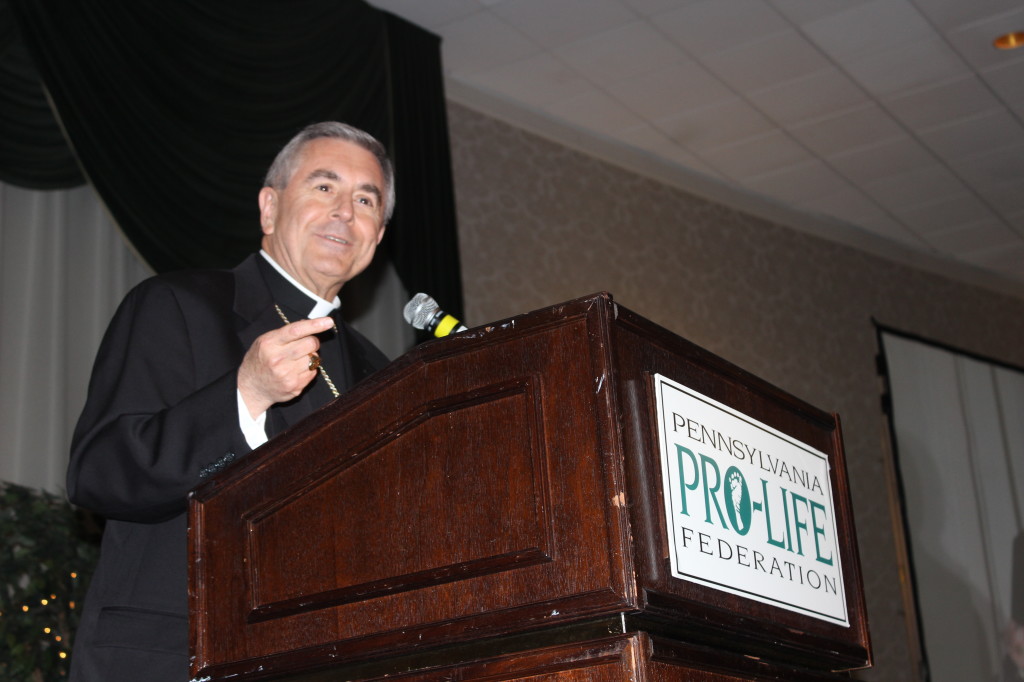
Bishop Ronald Gainer at the 2015 Celebrate Life Banquet in Harrisburg

Bishop Ronald Gainer at the 2015 Celebrate Life Banquet in Harrisburg

“Hello?!”

“(It’s) a word we say to someone who just doesn’t seem to get it,” the Most Rev. Ronald Gainer told a crowd of 600 pro-lifers gathered in Harrisburg for our 2014 Celebrate Life Banquet.Gainer, the new bishop of the Roman Catholic Diocese of Harrisburg, compared the pro-life movement to the term “hello?!” because we are “calling out to a culture that has drifted from the truth.”He challenged pro-lifers to think about three issues in our modern culture that keep people from understanding the tragedies of abortion, euthanasia and embryonic stem cell research.

First, our inability to use right reasoning.

Our culture quickly and easily falls for marketing messages, Gainer said. Pro-abortion advocates appeal to people with deceptive marketing that evokes desire and emotion.

Gainer called on pro-lifers to help our culture see past the pro-abortion side’s deceptive marketing appeals by using logic and reasoning to defend innocent human beings.

He used the example of fetal homicide laws, which are in place in most states to protect preborn babies from being victims of violence. Every law has an exception carved out for abortion, though.

“Hello?!” Gainer echoed.

Second, our inability to remember.

Gainer also called on pro-lifers to remind our culture of the history that we too often forget. It’s important that we look to the past so that we can learn from history and heed its warning signs.

He asked pro-lifers to consider the culture in Germany several years before the Holocaust. The ethical framework allowing human rights abuses started in the country’s medical and academic institutions years before the Holocaust took place, he said.

Third, our inability to understand freedom.

Many believe that freedom simply exists to do whatever we want, but choice for its own sake is not freedom, Gainer said.

“Authentic freedom lies in the ability to recognize what is true and the courage to do what is right,” he said.

Gainer ended by encouraging pro-lifers to march on with joy and boldness as we continue our work to educate our culture about the value of every single human life.

To watch or read Gainer’s full speech, click here.

Big Crowd Gathers for Inspiring Pro-Life Evening in Harrisburg

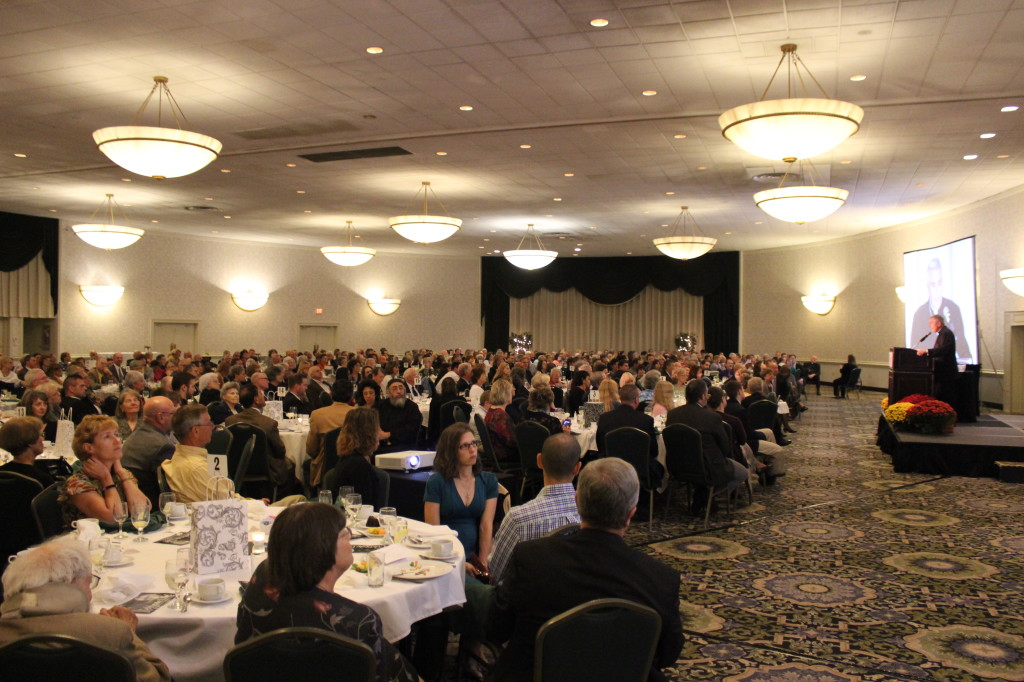
Today is one of those rare days when I’m feeling exhausted and energized, inspired and tired. Last night was our 2014 Celebrate Life Banquet in Harrisburg, which drew 600 people from all across the state. IMG_1652

The evening was truly inspiring, and I’m not just saying that. I felt so encouraged to see pro-lifers from all across the state and all walks of life who gathered together in unity for our great cause – to protect and defend every human life from conception to natural death.

It takes a lot of work here in our office to put together our annual banquet. And though I’m still physically tired from the event, I’m also feeling energized by the enthusiasm and dedication of so many fellow pro-lifers.

Read local news coverage of the banquet here. And check back in later to read about our keynote speaker the Most Rev. Ronald Gainer, bishop of the Roman Catholic Diocese of Harrisburg, and his challenge to pro-lifers about how we can change our culture for life.

Dobson’s First Novels Take Look at Future of Abortion, Euthanasia

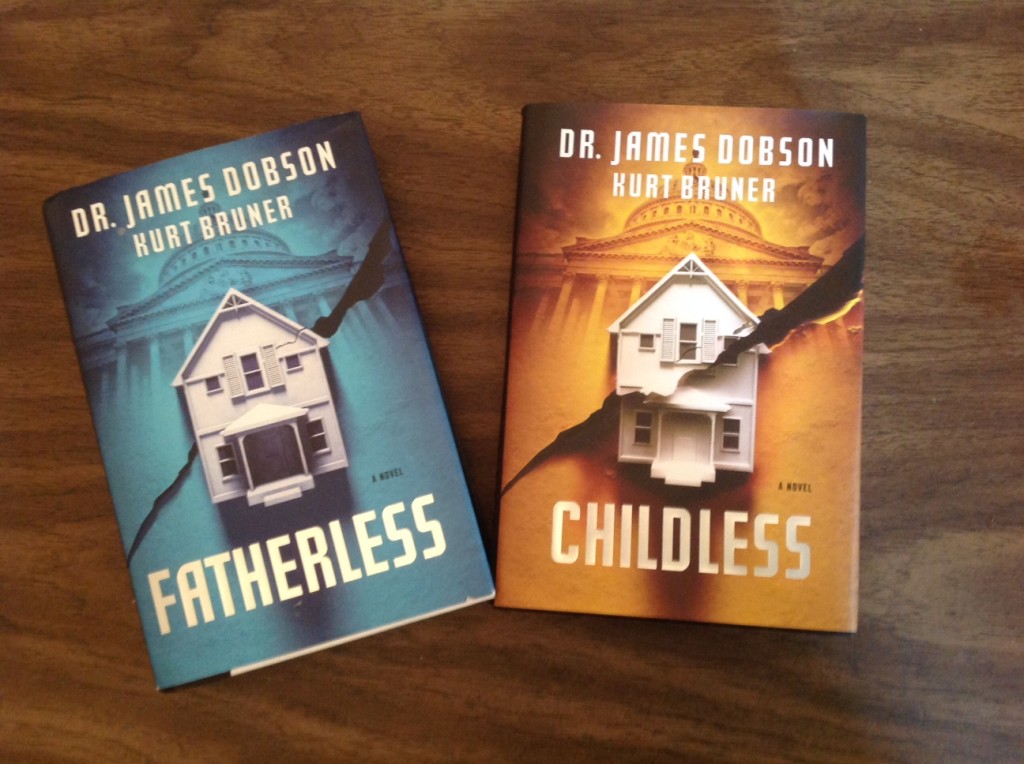
Last year, Focus on the Family founder Dr. James Dobson introduced his first series of novels: “Fatherless,” “Childless” and “Godless.”

photoThe novels take place several decades in the future when America is trying to recover from an economic collapse. Julia Davidson, an acclaimed journalist, is famous for her columns that celebrate the global drop in fertility and criticize marriage and motherhood. As Julia digs deeper into the modern views of life and family, she begins to uncover the consequences of the value shift.

America has become a nation where almost all babies are genetically screened and pre-selected before being implanted in the womb. “Accidental pregnancies” are aborted and the babies’ bodies sold for money. Women who have multiple children are labeled “breeders.”

The government portrays the elderly and disabled as burdens, financial drains on their families and their country. In an effort to bolster the economy, the government encourages the large elderly population to “transition” (assisted suicide).

The novels take a futuristic look at American society and individuals’ right to life — but not in a dystopian way. What I’ve enjoyed about the books so far is the way Dobson and co-author Kurt Bruner make the future world seem realistic. Most dystopian novels paint a frightening picture of a concept taken to its extreme. Dobson’s novels, on the other hand, take a more moderate approach that makes readers think, “This could actually happen.”

He gives pro-lifers a picture of what our nation could look like if it continues to denying certain people a right to life. But his novels also bring hope that, through the work of pro-lifers, we can change people’s hearts and minds and restore a culture of life in our nation.

I recently finished the first two novels in the series. “Godless,” the third and final book, was released this summer, and it’s on my reading list. Put it on yours, too.

Abortion Groups Shut Out Many Women’s Abortion Stories

Yesterday, someone shared a news article with us on our Twitter feed about a group of abortion advocates who are traveling across the U.S. to tell their abortion stories.

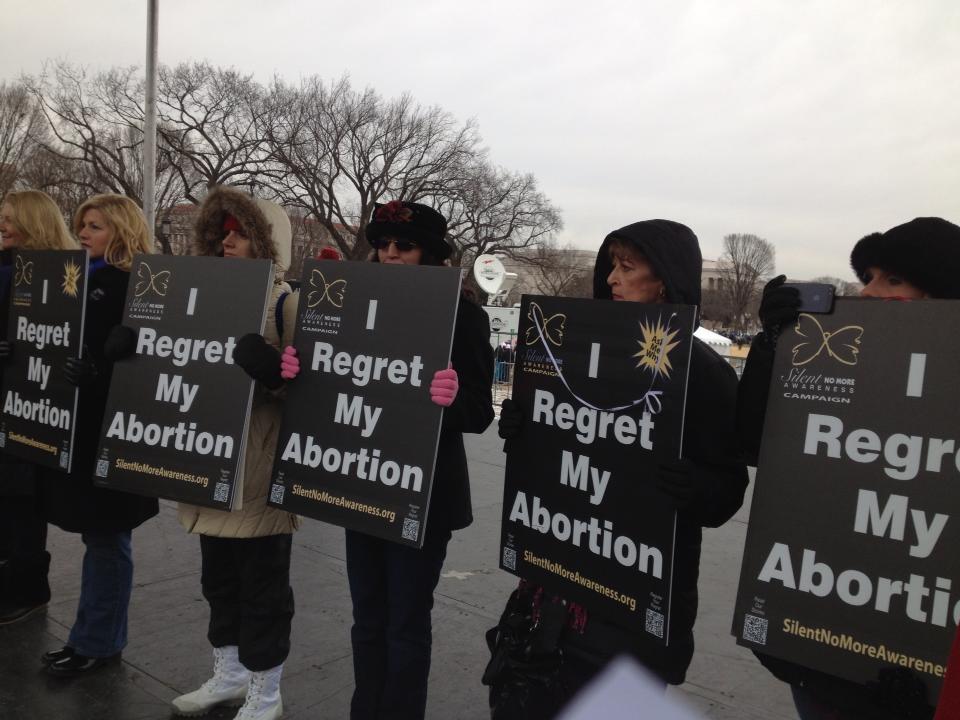
SilentNoMoreThe group Exhale wants its MoveOn tour to “change our country’s conversation about abortion” and to “help stop stigma and create a social climate where each person’s unique experience with abortion is honored and free from judgment.”

The problem is that some abortion stories are judged and ignored by these abortion groups. The thousands of stories from women who regret their abortions aren’t welcome, because they don’t fit with abortion advocates’ narrative. These groups are, in essence, silencing some women whose abortion experiences don’t fit with their agenda.

For many years, pro-life advocates have worked to free women to share their abortion stories that don’t fit the abortion agenda. The Silent No More Awareness Campaign welcomes women and men to talk about their experiences in an effort to help make the public aware of the devastation abortion brings, according to the group’s website. Since the organization began in 2002, almost 6,000 people have shared their stories.

Here is just one story from Maggie in Pennsylvania (read her full story here):

When my boyfriend cheated on me almost 30 years ago I thought it would forever remain the darkest day in my life. It didn’t compare to my Abortion that followed for this reason.

After my abortion I was disabled, the secrecy magnified my shame and became toxic to my health and spirit.

My healing came while working at a Gift Shop as a young girl entered the store contemplating having an abortion. Immediately I shared my testimony with her hoping to spare her from a lifetime of pain. She thanked me for my testimony but left undecided. About a year and a half later I heard a knock at the Gift Shop door. I began to shake because there to my surprise she stood in front of me with her beautiful 6 month bouncing baby boy as her words will forever echo in my heart. “I want to introduce my son to the woman who saved his life.”

Renewed, I vowed to do everything within my power to help prevent other women from suffering as I did, as I am “Silent No More.”

Thank you, Maggie! And thank you to all the brave women and men who are going against the grain and sharing their stories of healing after abortion.

Young, Diverse Generation Is Taking on Pro-Life Mission

I do a lot of online research about pro-life issues, and I always seem to find something new and interesting – and usually not directly related to the thing I was researching.

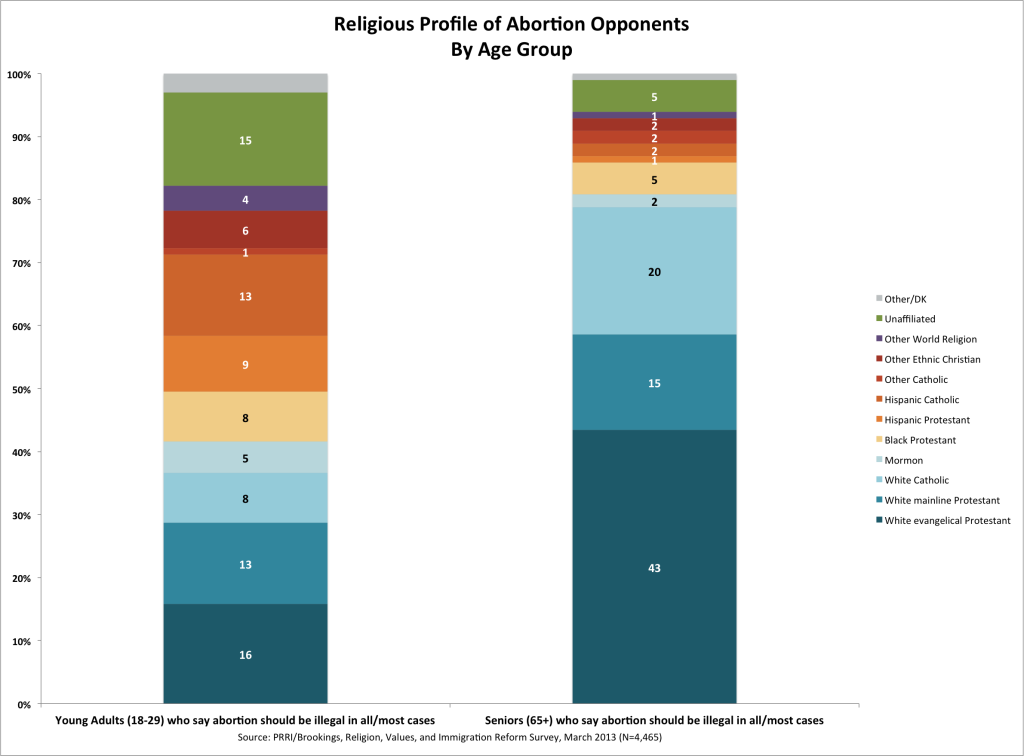
That’s what happened the other day when I stumbled across this graphic from the Public Religion Research Institute. abortiondiversitybyage

The graphic compares older pro-lifers and younger pro-lifers based on religious affiliation. The older generation of pro-lifers is mostly made up of white Evangelicals, Protestants and Catholics; while the younger generation of pro-lifers is much more diverse.

According to PRRI, “Americans who oppose abortion today look significantly different from their older counterparts. They’re less white, less religious, and have attained higher levels of education. As the anti-abortion movement ramps up efforts to recruit a new generation of advocates, these changing demographics will demand new strategies.”

Our diversity is a reason to celebrate. This graphic shows that the pro-life message truly does resonate with Americans from all walks of life. It’s just further evidence that our mission is strong.

As we approach October, which many Christians celebrate as Respect Life Month, I think we need to keep our changing demographics in mind. The man standing next to you during 40 Days for Life may not be Catholic. The woman holding a Life Chain sign down the street may not be Evangelical. The family donating diapers to the local pregnancy center may not be religious at all.

I just encourage everyone to keep this in mind this fall as pro-lifers gather together at events all across the state. Let’s continue to welcome and build new relationships with pro-lifers in our communities. United, we can become an even stronger force as we work to protect and value every human life.

Why Do People Turn a Blind Eye to 56 Million Aborted Babies?

A few days ago, a retired doctor visited our office. As he talked with us, he wondered out loud about an aspect of the abortion issue that I puzzle over, too.

Unborn child2The issue was this: How can people be so distraught by horrible human rights abuses such as school shootings, persecution of religious groups, or discrimination against minorities – and yet turn a blind eye to the 56 million preborn babies who’ve been aborted? How can so many Americans sit by and do nothing to end the killing of preborn babies?

I’ve been thinking a lot about these questions, too. As I was mulling the questions, a thought came to me about how abortion is almost an invisible tragedy. So few people actually see the victim, the preborn baby, or have a relationship with him or her.

My point is that we connect more with people who we relate to. We are more likely to send a meal to the family down the street whose house burned down than we are to a family in Haiti who can’t even afford one meal a day.

It’s hard to relate to a preborn baby if you’re not his/her mother or father. Sometimes it may be hard to relate even when you are the mother or father. It doesn’t mean that preborn babies are less valuable. We just have a harder time relating to them.

So, how can we help people relate to preborn babies in the womb and open their eyes to the tragedy of abortion?

One way is just to remind them that abortions are happening. I think people honestly just forget sometimes. Share an article on your Facebook page or invite them to attend a pro-life event in your area.

Another way may be to share facts and photos about preborn babies. Every time I help at a fair booth, I see people’s amazed faces as they pick up our fetal models or look at the photos of tiny babies in the womb. When people see a baby at 12 weeks sucking their thumb or twins interacting in utero, they begin to relate to preborn babies.

These are just some of my thoughts and ideas about making people more aware about abortion. I’d like to hear your thoughts, too. Please feel free to email me at lifelines@paprolife.org or comment on our Facebook page.

Where the Candidates for Governor Stand on Life

Our Legislative Director Maria Gallagher just finished a new fact sheet comparing Gov. Tom Corbett and challenger Tom Wolf on abortion and taxpayer funding of abortion.

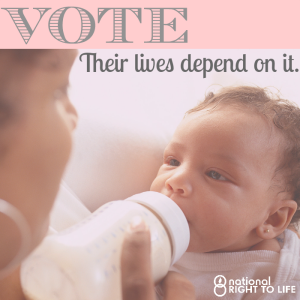
Click here find out where the candidates stand on these important issues.NRLC-Vote

Abortion rates have been dropping in Pennsylvania in the past four years, and abortion centers have been closing their doors. But there is still a lot of work to do.

Every 15 minutes, a baby dies in an abortion in Pennsylvania. Every 15 minutes, we are losing another precious human life in our state. Every 15 minutes, a woman is being subjected to an abortion, a tragedy that may stay with her for the rest of her life.

Babies and their moms deserve better than abortion. Pennsylvania needs leaders who are dedicated to supporting and protecting both baby and mom from this far too common tragedy.

Election Day is Tuesday, November 4 in Pennsylvania. If you aren’t registered to vote, you still have time to. Click here for details.

Stand for Life at One of These Pro-Life Events This Fall

Fall is almost here, and my calendar is already peppered with pro-life events all across the state.

Many of our chapters and volunteers hold special events of their own or participate in national ones. Please consider getting involved in one of these events this fall:

2014 Celebrate Life Banquet – Come to hear about what’s been happening in Pennsylvania, and connect with pro-lifers from all across the state. This special event will be Sept. 30 in Harrisburg. For details, click here.

40 days for life40 Days for Life – Groups in nine locations throughout Pennsylvania will peacefully and prayerfully rally against abortion. Almost 9,000 babies and their moms have been spared from the pain of abortion through this powerful movement. The fall campaign will begin on Sept. 24. Learn more here.

Life Chains – Sunday, Oct. 5 is set aside as a day to pray and witness publically about the tragedy of abortion and life-affirming alternatives. This year will mark the 27th anniversary of the united Life Chain effort to end abortion. Many Life Chains are organized by our local chapters. (In fact, it was a Life Chain that inspired me to get involved in the pro-life movement.) Click here to find a Life Chain near you.

These are just a few ways you can get involved this fall. Click here for even more pro-life events happening across Pennsylvania.

Columnist Wesley Smith Explains Terms “Embryo,” “Blastocyst”

I’m always fascinated when I learn a new detail about a baby’s development in the womb, and I read a lot about human development for work. Still, I’m often confused by medical terms, especially those that define earliest stages of development.

Image of a baby at seven weeks

Image of a baby at seven weeks

Today, I was happy to discover an article by pro-life columnist Wesley J. Smith that explains the terms “embryo” and “blastocyst.” I hope you find his column as helpful as I did:

How often have I heard scientists and political hacks lie by claiming that an embryo isn’t an embryo until it is implanted in a uterus. Before that, they have often said, it is just a “ball of cells,” a “pre-embryo,” or just a “blastocyst.”
By lying about the nature of the embryo, pro embryonic stem cell research advocates hoped to manipulate society into supporting their research agendas.
These arguments were always–and remain–false. When you get down to it, we are all just big balls of cells, so that’s a meaningless term. An embryo, unlike say a tumor, is an organism, in other words, a human embryo is a nascent, developing human being.
Nor is there such a thing biologically as a pre-embryo – as Princeton biologist Lee Silver admitted. That is a political term invented to skew ethical debates and decisions to permit the manipulation of human life.
As for the blastocyst, the term describes an embryo’s stage of development, not a different thing than an embryo. Thus, the, “It’s not an embryo, it’s a blastocyst,” is also junk biology.

Read Smith’s full column here.

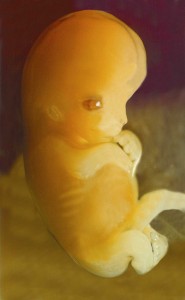
Just another fact to remember: When the baby is about eight weeks along, he/she is referred to as a fetus. The seven-week-old baby in the photo above is still considered an embryo.

As pro-lifers, it’s important that we have a basic knowledge about human development. The science is on our side. Let’s use it!