The Virtual Mother’s Day

Real Alternatives mother and child

By Maria Gallagher, Legislative Director

For many during this year of the pandemic, Mother’s Day will be filled with virtual visits.

Forced to delete travel from the day’s to-do list because of Coronavirus-related stay-at-home orders, adult children will be connecting with their mothers through FaceTime, Skype, and other video conferencing platforms. Others will resort to the old-fashioned phone to spend some quality time with their mothers and grandmothers.

Between the cards and the cakes, the gift deliveries and the garden walks, let us remember the incredible treasure mothers represent in our lives.

When we were just months old, they held us through the night, when only their touch could console us. When we were children, they might have been our primary party-planners, making sure everything was just right for our birthdays.

As we grew older, they were witnesses to our lives, present for everything from play performances to proms, from graduation ceremonies to wedding vows.

We owe them so much–and, in a post-Roe world, children can credit their mothers with making the choice for life.

As a caller said to me this week, “Remember, if your mother had had an abortion, you wouldn’t be here.”

And so I would like to offer a round of applause to all mothers, whether your children came to you through birth or through the heart by adoption. You are the miracle-makers in our midst, and we all owe you a debt of gratitude.

Next year, I hope we can all deliver our thanks in person!
Wolf Veto Harmful to Health

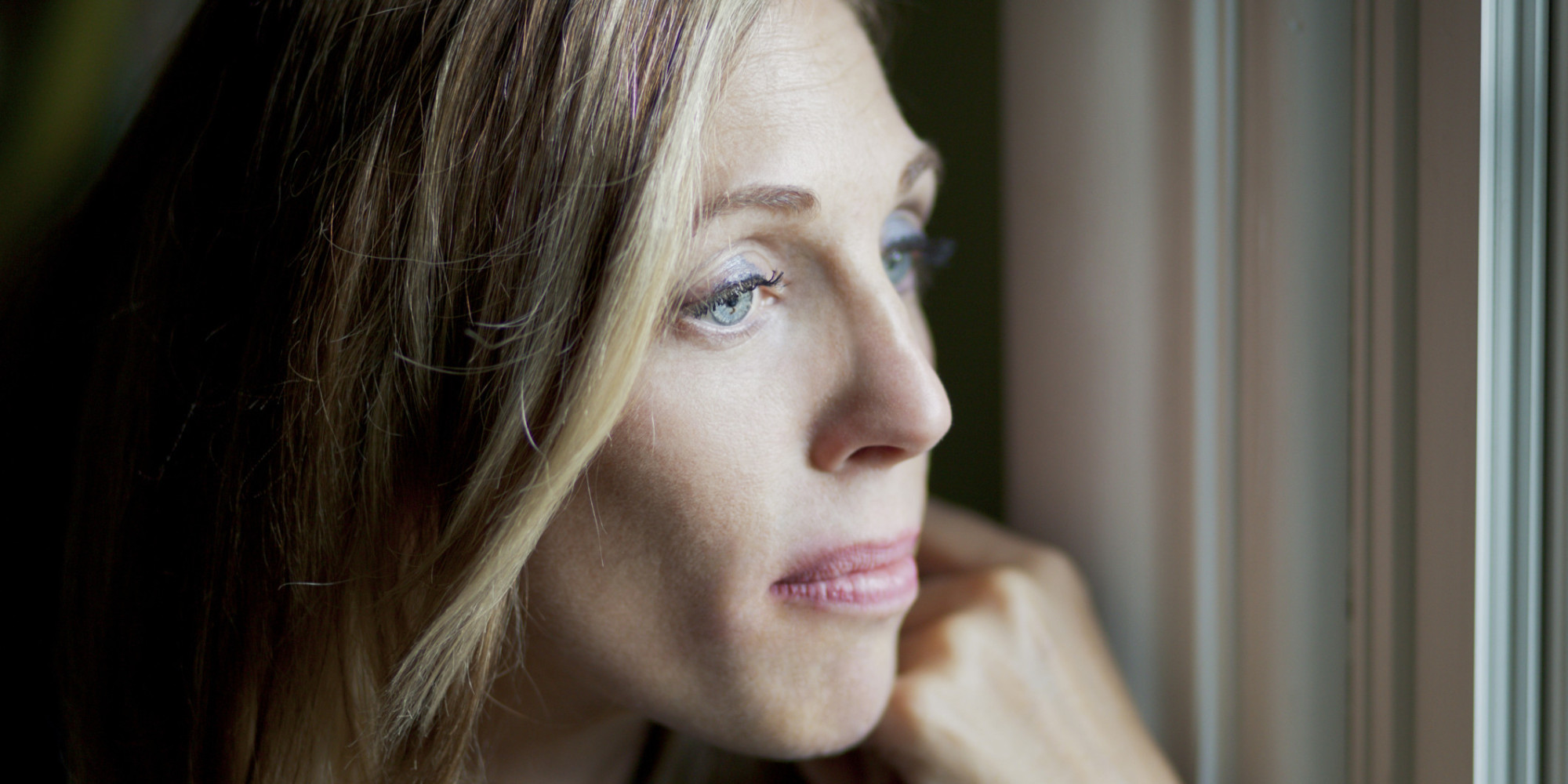
Sad woman at the window

By Maria Gallagher, Legislative Director

Pennsylvania Governor Tom Wolf (D) is receiving national attention for his refusal to allow an expansion of telemedicine in the Commonwealth in the midst of the Coronavirus pandemic.

The reason? The Chief Executive—a former clinic escort for Planned Parenthood—vetoed a popular telemedicine bill because it would have banned the telemedicine distribution of dangerous drugs, such as the abortion pill RU-486.

Pennsylvania has been considered one of the “hot spots” for Coronavirus in the country. As a result, there has been a tremendous push to increase the availability of telemedicine, especially in under-served rural areas.

The telemedicine bill, known as Senate Bill 857, passed the Senate and landed in the PA House of Representatives. There, House members inserted an important amendment which would have barred telemedicine services not approved under what’s known as the Food and Drug Administration’s Risk Evaluation and Mitigation Strategy (REMS). RU-486 has not been permitted under the REMS standard.

Responding to the public outcry over his veto, the Governor said, “As amended, this bill interferes with women’s health care and the crucial decision-making between patients and their physicians.”

But the truth is, the amendment would have safeguarded women’s health and safety by ensuring that dangerous medication was not dispensed without a physician physically present. RU-486 has a host of harmful side-effects, everything from excessive bleeding to vomiting, nausea, even death.

Two years ago, the abortion behemoth Planned Parenthood made public its plans to spend a whopping $1.5 million to re-elect Wolf, whose radical pro-abortion stance is considered at odds with Pennsylvania’s mainstream. He has routinely vetoed pro-life legislation, including a ban on brutal dismemberment abortions and a bill which would have banned the abortion of preborn babies diagnosed with Down syndrome.

With his latest veto of the telemedicine bill, Wolf has cemented his reputation as an unapologetic cheerleader for the pro-abortion cause.

Don’t Miss This Pro-Life Production!

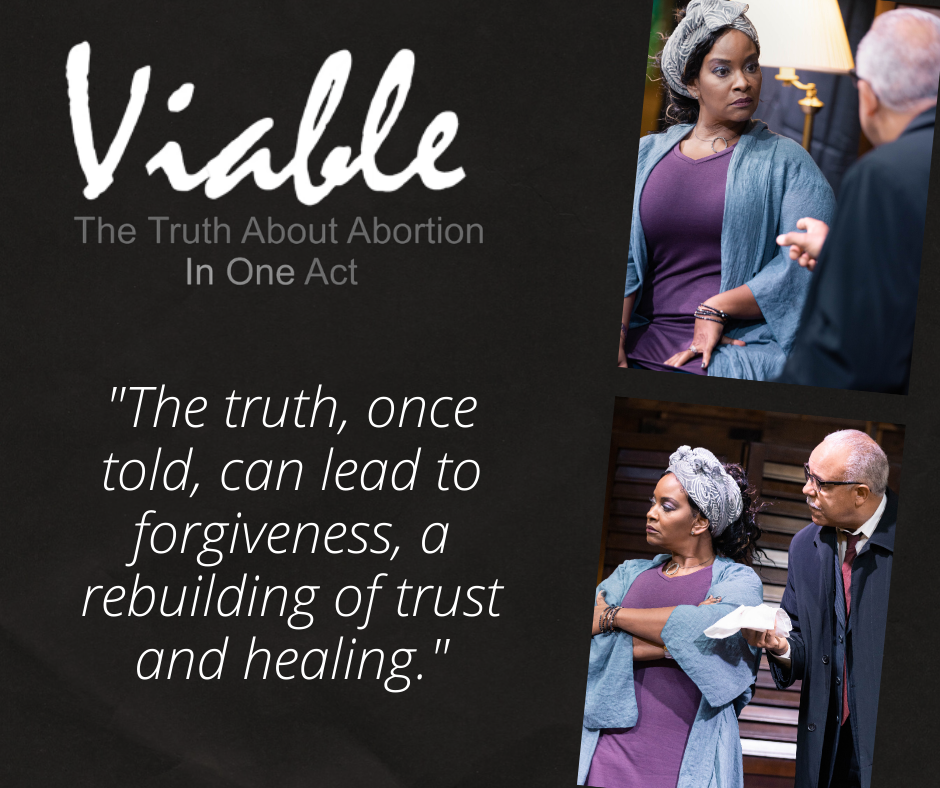
Viable1


By Maria Gallagher, Legislative Director

I recall when I first saw the movie, “Gosnell.” I cried a flood of tears as I saw the bags carrying the remains of babies who had died in abortionist Kermit Gosnell’s West Philadelphia House of Horrors.

When I viewed the movie “Unplanned,” my heart ached for the protagonist, Abby Johnson, when she witnessed a preborn baby dying before her eyes as she watched an ultrasound-guided abortion.

In both cases, the movies seared my conscience, and motivated me to redouble my efforts to stop the tragedy of abortion.

As a result, I am eagerly awaiting “Viable,” the play being streamed at watchsalemmedia.com starting on Mother’s Day. Viable is a story of redemption and forgiveness following one woman’s 30-year-old choice. It is a powerful tale of love and healing–and a marvelous gift to present to the mother in your life.

Please join me in viewing Viable.  Together, we just may be inspired to approach the issue of abortion prevention in a whole new, exciting way.


Fighting Assisted Suicide = Giving Hope

Elderly holding hands


By Maria Gallagher, Legislative Director

When my father died, the emotional pain experienced by my mother, sister, and myself felt overwhelming. He was the rock of our family, our protector, and the world felt a little less safe without him in it.

Yet, we were consoled by the fact that medical personnel had done everything they could to save his life. The best medical equipment gave him every opportunity to rebound. But sadly, he just could not recover.

I think of my father when discussions turn to assisted suicide–or, more appropriately referred to as doctor-prescribed suicide. Proponents argue that it is the solution to what ails many in our society–the feeling of a loss of control, the fear of intractable pain.

And yet, doctor-prescribed suicide leads to a host of problems. The vulnerable and the mentally ill are especially susceptible.

Consider this statement from Dr. Charles Bentz: “Instead of helping my patient, (a) once-trusted colleague decided my patient was ‘better off dead’ and became an accomplice in his suicide.

“This is the real tragedy of assisted suicide in Oregon. Instead of providing excellent care, my patient’s life was cut short by a physician who did not address the issues underlying his suicidality.”

Research indicates that as many as 90 percent of suicides in this country are linked to  mental illness, most notably depression. Yet in 2015, a paltry 5 out of 132 assisted suicide victims had obtained psychiatric counseling.

It is also important to note that, when individuals choose assisted suicide, pain, or even the fear of pain, ranks at the bottom of the list of reasons for their decision. Rather, the top reason listed is losing autonomy, or independence.

Fighting assisted suicide equals giving hope. We must redouble our efforts to attend to patients’ physical and psychological needs, so that doctor-prescribed suicide is not only unappealing, but also unthinkable.

Questions I Wish Journalists Would Ask About the Life Issues

oleg-sergeichik-MrsbKzRzflo-unsplash

By Maria Gallagher, Legislative Director

When I worked for the mainstream media, I noticed a double standard when it came to covering the core life issues.

Planned Parenthood was considered to be the irrefutable expert in all matters related to abortion. Their assertions were seldom questioned; their pronouncements were accepted uncritically.

Pro-life advocates, on the other hand, were viewed with high skepticism. Anything they said was assumed to come from a place of religious faith and, therefore, suspect. Grilling of pro-lifers was encouraged and, in fact, expected–grilling of abortion advocates frowned upon.

Now, as a pro-life advocate, I find I wish there were questions that the news media would pose to spokespeople for the abortion industry and their allies. The answers to these questions would make for more interesting, more informative articles and broadcast news stories.

I wish reporters would ask the simple question: What is abortion? And not be willing to accept a ridiculous answer such as “the right to choose.”

It would also be helpful if reporters would ask Planned Parenthood why their abortion totals keep rising–even as overall abortion numbers are declining nationwide.

I think it would be beneficial if the media asked the abortion industry what specific help it provided to pregnant women who chose to keep their babies. In addition, inquiring minds want to know what abortion facilities are doing to facilitate adoptions.

I wish reporters would ask what abortion businesses are doing to combat domestic violence–since research shows as many as 60 percent of abortions are coerced.

I would like a reporter to ask an abortionist to describe, in detail, the process of abortion and its aftermath–and not accept euphemisms as valid responses.

A free press is a time-honored way to preserve democracy. For far too long, the free press has given a free pass to the abortion industry. Let’s challenge the news media to take on a watchdog mentality when it comes to abortion. After all, lives are at stake.