Abortions Drop to All-Time Low in Pennsylvania in 2013

HARRISBURG, Pa. – Abortions have dropped to an all-time low in Pennsylvania, according to 2013 abortion statistics released Wednesday by the state Department of Health.

Choose Life!“As abortion centers close and more life-affirming information and resources become available, more women are being empowered to choose life,” said Ms. Micaiah Bilger, education director of the Pennsylvania Pro-Life Federation.

In 2013, the number of abortions in Pennsylvania dropped by 7 percent to 32,108, according to the report. The closure of abortion facilities, the assistance offered by pregnancy resource centers and state-of-the-art technology are all playing a role in the decrease in abortion totals in the Commonwealth.

“Modern technology is making it easier to see the value of life in the womb and the tragedy of abortion,” Bilger said. “Ultrasounds allow parents to see their baby smiling or sucking his or her thumb, and a new study from the University of Florida showed that preborn babies can learn nursery rhymes in the womb.”

Tragically, however, more women are being harmed by abortions in our state. In 2013, abortion complications rose by almost 22 percent, according to the report.

“Women deserve to know the risks of abortion and their alternatives,” Bilger said. “Thanks to Pennsylvania pregnancy resources centers and our state Alternatives to Abortion program administered by Real Alternatives, Inc., more pregnant and parenting moms have access to this information and support.”

Real Alternatives offers free, confidential caring pregnancy services including pregnancy testing, temporary shelter, diapers and other baby supplies, food and shelter assistance referrals, counseling, and more. Learn more at www.realalternatives.org.

“This is key to ensuring that pregnant and parenting women have access to the support that they and their families deserve,” Bilger said. “We will continue to work so that every woman and her preborn child are protected and valued under the law.”

Read the full 2013 Pennsylvania Abortion Statistics report.

Eight Pro-Life Resolutions for 2015, Including Mine

I have a confession. I rarely make New Year’s resolutions. I like to think it’s not because I’m lazy, but because I see New Year’s Day as just some arbitrary spot on the calendar. I tell myself I can make resolutions any time. I don’t need “January 1st” to motivate me.

People for Life of Erie at the March for Life

People for Life of Erie at the March for Life

Well, I have resolved to change that. I am making a resolution, and I encourage you to make one, too – whether you start Jan. 1 or some other time. Here are eight pro-life resolutions for you to consider (including mine for 2015):

1. Dedicate time to pray for an end to abortion. Last year, I began praying every Friday morning during my hour-long commute. Fridays are one of the busiest days for our local abortion center, so I spend my hour praying for the women, their families, the sidewalk counselors, abortionists and staff. If you are a religious person, consider a new prayer resolution.

2. Learn to articulate your position on human life. Put Scott Klusendorf’s “A Case for Life” or Frank Beckwith’s “Defending Life” on your reading list this year. Both offer a very strong, reasoned case for why all human life should be protected. They also help teach you to respond to pro-abortion arguments.

3. Listen. If a friend is facing a crisis, listen. If he/she wants advice, offer it but only after you listen. If your sister-in-law is pro-choice on abortion, listen to her reasons why before you respond. Sometimes the best way to love people is to show them that we care enough to listen.

4. Volunteer. Contact one of our 40+ chapters, a pro-life group at your school or college, or your local pregnancy help center to volunteer.

5. Attend the March for Life in Washington, D.C. This huge pro-life rally inspires hundreds of thousands of people every year. It’s an awe-inspiring event. Contact us for details.

6. Tell your elected officials where you stand on life. If they vote pro-life, thank them. If they don’t, ask them to. And if you don’t know where your elected officials stand, contact us and we’ll let you know.

7. Stay informed. As the 2015 approaches, we already have our eyes on new threats to life here in Pennsylvania, including doctor-prescribed suicide and a new pro-abortion governor who already has appointed abortion advocates to his transition team. Keep yourself informed by signing up for our twice monthly e-newsletter.

8. Donate. Pro-life organizations like us need your support. Whether you can donate time or resources, you can help us in our mission to restore protections for life. Personally, I’m resolving to spend less on things like coffee and junk food in 2015 so I can donate more to those in need. Donate here.

Please consider making a pro-life resolution in 2015. You can be a part of this mission to ensure protections for every human life in Pennsylvania.

Merry Christmas, and happy New Year!

Assisted Suicide Is Being Pushed Here in Pa. — Stay Informed

Assisted suicide and euthanasia are no longer distant threats to life. Doctor-prescribed suicide legislation is being discussed in Pennsylvania right now.

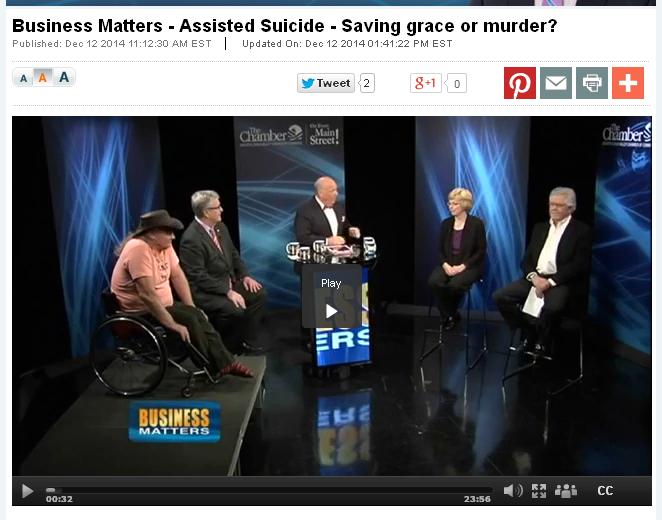
BizMatters12-14Compassion and Choices, formerly the Hemlock Society, is pushing this deadly legislation across the country; and we in the pro-life community are joining voices with medical and disability rights groups to oppose doctor-prescribed suicide in Pennsylvania.

You may hear it euphemistically called death with dignity or aid in dying, but doctor-prescribed suicide is what it is. And it’s a recipe for abuse.

We know from Oregon, where doctor-prescribed suicide is legal, that safeguards don’t work. People who are older or disabled may be pressured into suicide, and others may be denied medical treatment. That’s what happened to Barbara Wagner. In 2008, her Oregon-run insurance plan denied coverage of her chemotherapy treatment. Instead, they offered to cover her assisted suicide.

Josie Byzek of Not Dead Yet Pennsylvania, a disability rights group against assisted suicide, says groups should be advocating for better health care and respect for people of all abilities – not suicide.

“One concern our community has is that people with disabilities, especially life-threatening disabilities, cannot uniformly receive quality health care,” Byzek says. “Therefore, how can these same health professionals, as a matter of policy, possibly make a judgment call about the person’s quality of life?”

To stay informed about this issue, check out recent Pennsylvania media coverage:

  • Central Pa. talk radio show Smart Talk aired a program with disability rights advocates from Not Dead Yet Pennsylvania and assisted suicide advocates. Listen here.
  • In Allentown, the TV show Business Matters interviewed our Executive Director Michael Ciccocioppo and Alan Holdsworth of Not Dead Yet, along with assisted suicide advocates. Watch it here.
  • Lancaster newspapers published two opinion columns for and against doctor-prescribed suicide. Our Legislative Director Maria Gallagher wrote the opposed column. Read it here.

Read Winter Issue of our Pro-Life Newspaper Online

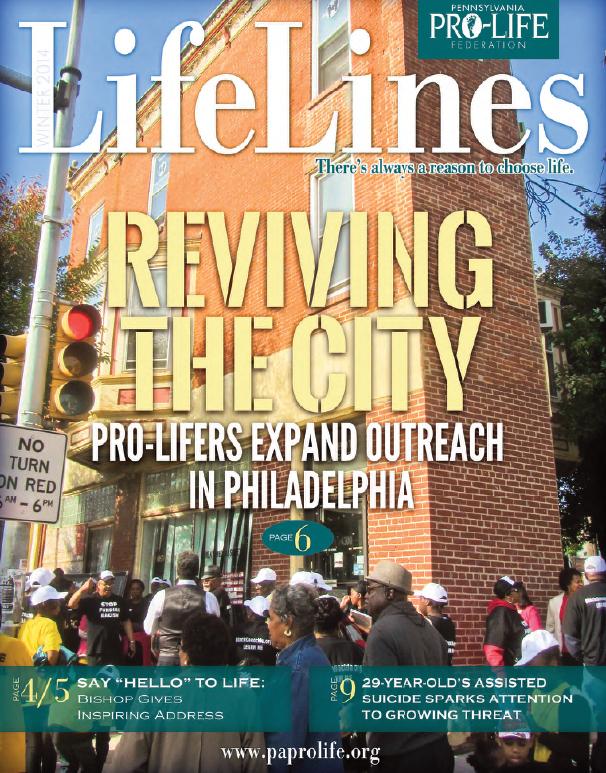
Our latest LifeLines newspaper is hot off the presses!

This issue features the exciting new pro-life outreach that’s happening in Philadelphia in the wake of the Kermit Gosnell tragedy.LifeLinesW14Cover

Our legislative director informs you about the victories for life in our state and the threats to watch for on the horizon.

And there’s a recap of our Celebrate Life Banquet and our speaker’s inspiring challenge to us all.

You can read about the 40-year legacy that several of our volunteer chapters are celebrating. And you can find out about the many volunteer projects that are happening all across the state.

Don’t forget to check out the Umbert the Unborn cartoon on page 10, too!

Click here to read our latest LifeLines issue. Read past issues here.

New Website Shows Pregnancy, Parenting Help on Campuses

A shout out to the Messiah College Respect Life Club for pointing me to this great new resource for college students.

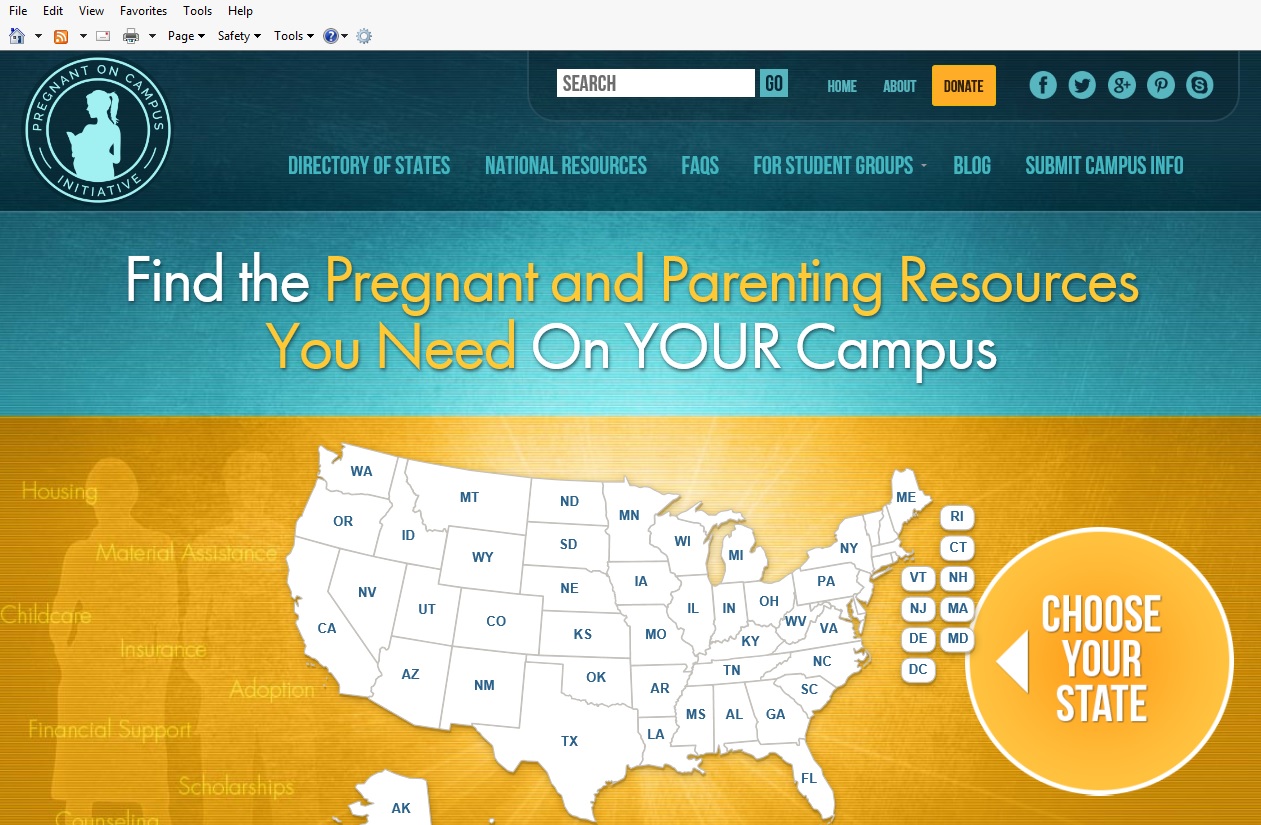
PregnantOnCampus.org, PregonCampus2a project of Students for Life, has a new section that helps students find pregnancy/ parenting resources available on and around their college campus.

The Pennsylvania list includes 28 campuses and boasts 729+ resources available to students, including housing, scholarships, clothing/food assistance, child care, and counseling. The individual campus lists also inform students of their rights and the school’s policies concerning pregnant and parenting students.

And don’t forget about our website’s Pregnant? Need Help? section, which lists more than 200 pregnancy/parenting resources across Pennsylvania.

Kristan Hawkins, president of Students for Life, told the National Review: “The pressure on a pregnant student to abort her child is enormous — she could be getting pressure from her family, her friends, her partner, her professors. She absolutely needs to know that abortion is not her only option and that there are caring people on campus who really want to help her.”

Please share these valuable resources with college students in your life. The most common age for a woman to have an abortion is during her college years. Students deserve to know that there are better options than abortion. These resources help remind pregnant/parenting students that they don’t have to face this on their own.

Pro-Lifers in Court Wednesday to Challenge Pittsburgh Buffer Zone

A small group of pro-lifers from Pittsburgh challenged the city’s buffer zone Wednesday in front of a federal judge.

Women Have a Right to Know!The city has a 15-foot buffer zone around abortion centers that prevents pro-lifers from peacefully counseling women about alternatives to abortion. Sidewalk counselors often serve as the last line of hope for preborn babies and their mothers before an abortion appointment.

According to the Pittsburgh Tribune-Review:

Nikki Bruni of Verona testified that while she “occasionally” is able to get her message across to women entering the Planned Parenthood location on Liberty Avenue, Downtown, the yellow, spray-painted buffer zone restricts her and others from having in-depth conversations with women about alternatives to abortion.

Bruni, campaign director of 40 Days for Life in Pittsburgh, a twice-a-year, anti-abortion event, said Planned Parenthood security guards prevent demonstrators from entering the zone, even if it is to walk across to get to the other side.

… U.S. District Judge Cathy Bissoon heard more than three hours of testimony and arguments before giving both sides until Dec. 19 to reach a compromise. If they can’t, the attorneys will have 30 days to file legal arguments before she rules.

Women deserve to know all the facts about abortion and its alternatives. Buffer zones are damaging, not only because they restrict pro-lifers’ freedom of speech, but also because they restrict women’s rights to hear about alternatives to abortion.

Older Americans Have Better Quality of Life Than Younger Americans Predict

I stumbled on an interesting article today about our assumptions about growing old.

The Wall Street Journal piece “Why Everything You Think about Aging May Be Wrong” examines people’s expectations about growing older and compares them to older adults’ actual experiences.

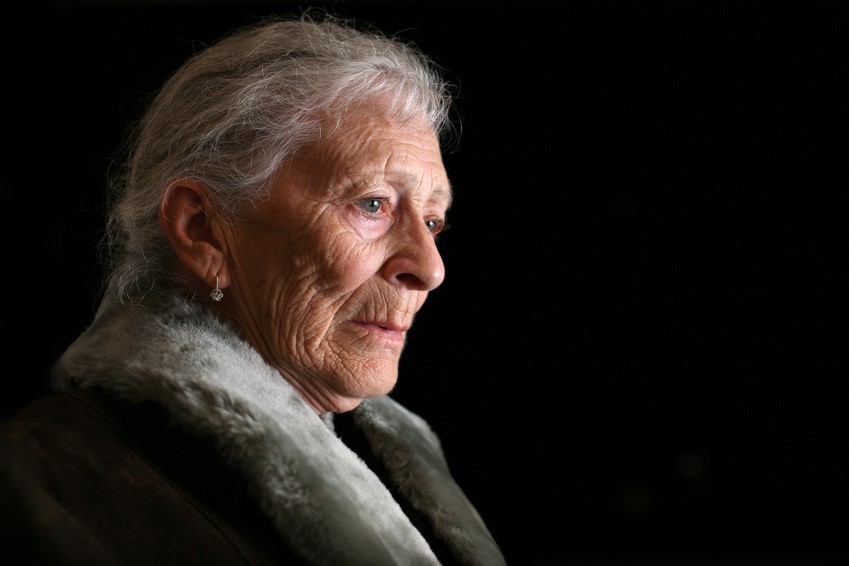
OldwomanIn an age where bureaucrats are denying people health care coverage because they’ve “outlived their life expectancy” and assisted suicide advocates are harping about “quality of life,” I found it interesting that older Americans aren’t experiencing the difficulties that younger Americans think they will.

Older adults are more satisfied with their lives than their younger counterparts think they will be at the same age. Younger adults rank age-related difficulties like memory loss, depression, serious illness, and being a burden significantly higher than Americans over 65 do, according to a study from the Pew Research Center.

Check out the article here.

We need to be very careful about our fears and make sure they don’t lead us to devalue life. We can not accurately measure someone’s “quality of life” just as we can’t measure the worth of a human life.